
In modern society, video games have transcended beyond mere entertainment to become a cultural, social, and philosophical phenomenon. These digital worlds, which are part of the daily lives of millions of people, create a unique realm of reality and meaning. The popularity of video games is rapidly increasing not only among children and teenagers but also among adults. This raises various philosophical questions aimed at understanding why games are so appealing and their impact on human experience.

The philosophical analysis of video games focuses on a series of fundamental questions: What are games, and why do we play them? How do video games blur the boundaries between reality and virtual reality? How do these games address ethical issues and shape the identities of players? In this article, we will explore these questions and more, uncovering the profound philosophical dimensions of video games.
First, it is important to understand what video games are and how they differ from other types of games. Video games can be defined as interactive digital environments where players navigate artificial worlds, overcoming various challenges according to specific rules and objectives. These games combine audiovisual elements and user interaction to provide players with a unique experience. Additionally, the ongoing debate about whether video games can be considered an art form helps us better understand their artistic and cultural value.
After this initial examination of the nature and definition of video games, we will delve into the relationship between reality and virtual reality, the ethical dimensions of games, their impact on identity and personal development, and the philosophical themes used in game design. Through this exploration, we will see that video games are not just a means of entertainment but also a powerful tool that illuminates profound philosophical questions.
The Nature and Definition of Video Games
Defining Games: To understand the nature of video games, it is essential first to understand the general concept of games and where video games fit within this concept. Games can be defined as activities governed by rules, aiming to achieve specific goals and providing enjoyment to players. Johan Huizinga argued that games are a fundamental part of human culture, while Roger Caillois classified games into four primary categories: competition (agon), chance (alea), mimicry (mimicry), and vertigo (ilinx). Video games, however, emerge as complex structures that can encompass all these categories.
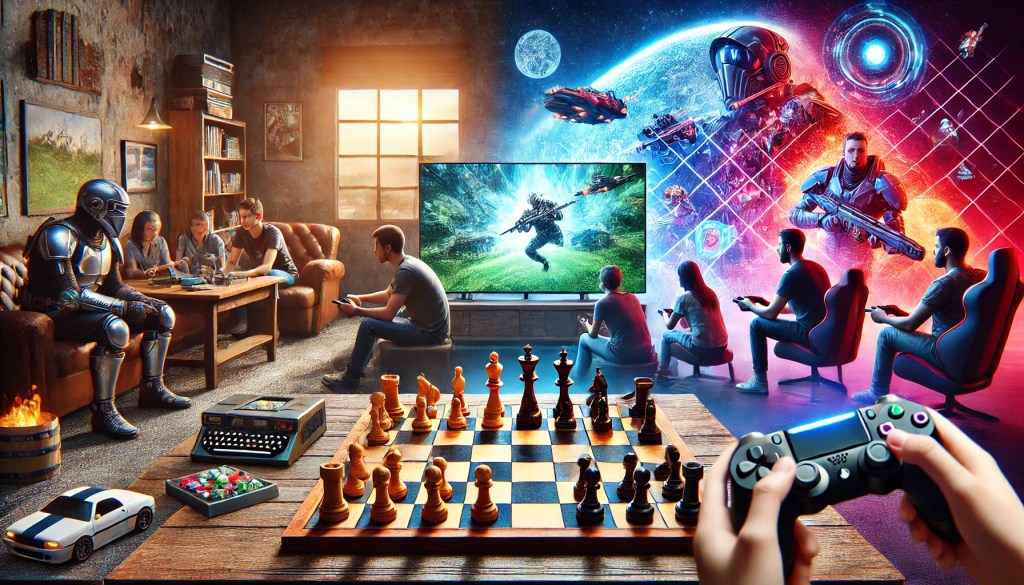
Video games are games played in a digital environment, containing interactive elements. These games combine audiovisual elements, user interaction, and storytelling to provide players with a unique experience. For instance, open-world games like “The Legend of Zelda: Breath of the Wild” allow players to explore, solve puzzles, and fight enemies. Such games offer players the opportunity to create their own stories and move freely within the game world.

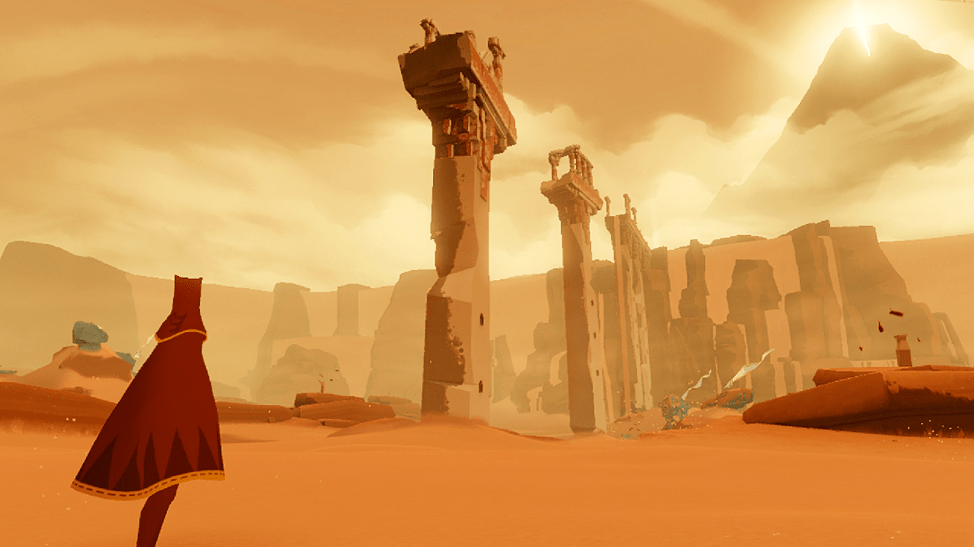
Games and Art: Whether video games are considered an art form is a topic of discussion in academic and cultural circles. Many argue that video games can be regarded as an art form due to their audiovisual elements, storytelling, and player interaction. For example, games like “Journey” and “Gris” can be considered works of art with their stunning visual designs and emotional narratives.

On the other hand, some critics argue that video games are produced for commercial purposes and, therefore, cannot be considered art. However, since the definition of art is constantly evolving, evaluating whether video games are part of this definition may change over time. Video games can be accepted as a different form of art due to the experiences and creative content they offer to players.
Reality and Virtual Reality
Simulation Theory: Video games are simulations that mimic the real world and present a virtual reality. Simulation theory suggests that our universe might be a type of simulation, and video games are an ideal tool for examining this theory. Video games offer players an alternative reality, helping them experience and understand this theory.
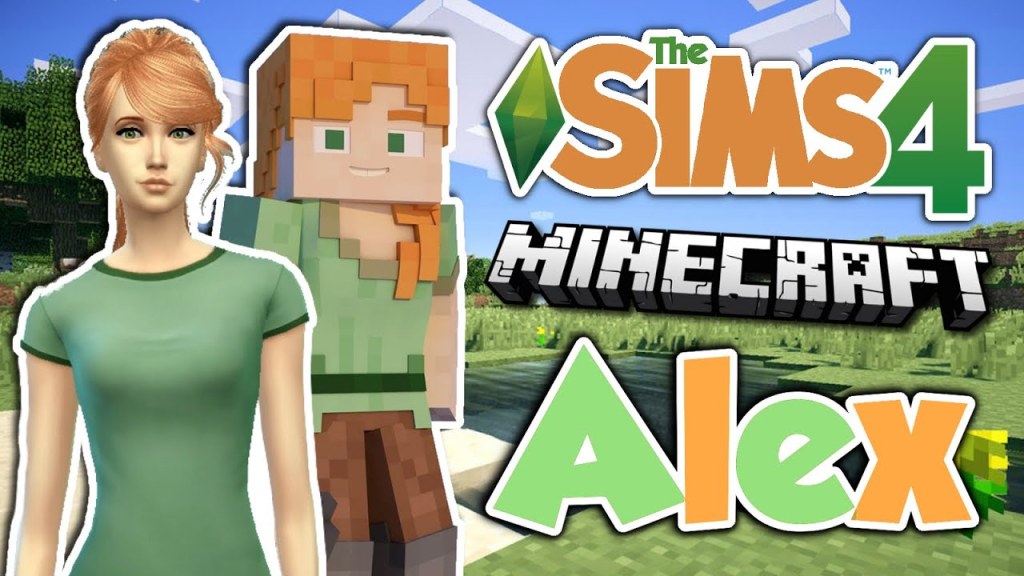
For example, the “The Sims” series allows players to create and manage their own characters in a virtual world. This game simulates social interactions and daily life in the real world, offering players a chance to think about simulation theory. Similarly, games like “Minecraft” allow players to build and live in their own worlds, blurring the lines between reality and virtual reality.
Perception of Reality: Video games can affect players’ perception of reality, leading them to experience a different reality during their time in virtual worlds. This is especially pronounced in games played with virtual reality (VR) technologies. VR games transport players to a completely virtual environment, causing them to disconnect from the physical world and exist in an alternative reality.
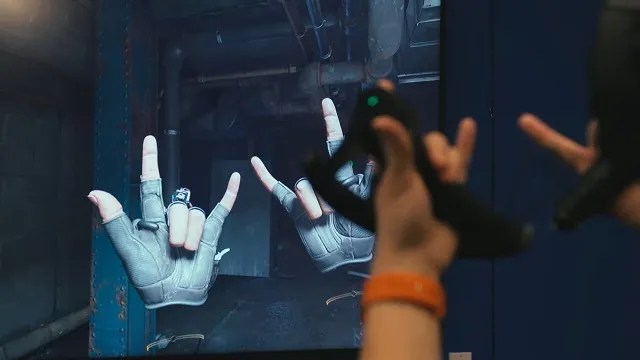
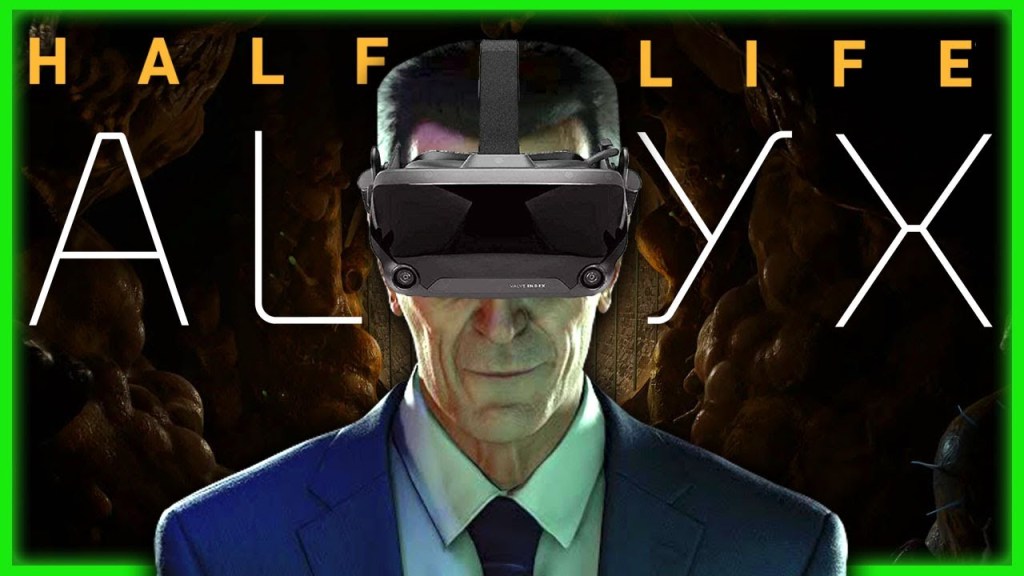
For instance, VR games like “Half-Life: Alyx” provide players with a fully interactive, three-dimensional experience. These games can make players forget the real world and become completely immersed in the virtual world. Such experiences demonstrate how elastic the perception of reality can be and encourage players to question the differences between virtual reality and physical reality.
Ethical Issues and Responsibility
Violence and Morality: The presence of violence in video games has been a long-debated issue. Many games allow players to engage in violent actions, raising ethical questions about such content. Research on whether violent games increase aggressive behavior in players has yielded varying results. For instance, games like “Grand Theft Auto” have been criticized for their violent and criminal elements.

However, while some studies do not provide sufficient evidence that video games increase violent tendencies, others suggest that violence in certain contexts may have negative effects on players. Nevertheless, the presence of violence in games makes them ethically controversial, prompting players to consider how they interact with such content.
Decision-Making in Games: Video games offer players the opportunity to make ethical decisions and reflect on the consequences of those decisions. For example, the “Mass Effect” series presents players with various moral dilemmas throughout the game and shows how their decisions resonate within the game world. Such games help players question their own ethical values and understand different perspectives.

Similarly, story-driven games like “The Walking Dead” present players with difficult moral choices and demonstrate the impact of these choices on characters. These games provide valuable experiences in empathy and ethical decision-making.
Identity and Personal Development
Avatars and Identity: Video games offer players the opportunity to explore and express their identities. Players can create their own avatars in the game world and experience different identities through these avatars. This process helps players better understand themselves and others.

For example, online multiplayer games like “World of Warcraft” allow players to choose from various races, classes, and abilities. Players can experience different identities through these characters and assume various roles within the game world. These experiences can influence how players shape and express their own identities.
Empathy and Understanding: Video games provide players with the opportunity to understand different perspectives and develop empathy. For example, story-driven games like “Life is Strange” allow players to experience the emotional journeys of different characters. Such games help players develop empathy and understand others’ perspectives.
Additionally, games like “Papers, Please” present players with ethical dilemmas and difficult decisions, encouraging them to consider the impact of these decisions on people. Such experiences contribute to players questioning their own ethical values and developing a deeper understanding.
Game Design and Philosophical Themes
Philosophical Elements in Design: Video games are a powerful tool for addressing philosophical themes and providing players with the opportunity to think about these themes. Game designers can incorporate philosophical elements while creating the game world and narrative. For instance, the “Bioshock” series is a game series that deals with philosophical themes such as free will, morality, and human nature.
These games offer players the opportunity to think about specific philosophical questions and show how their answers resonate within the game world. This process helps players question and develop their own philosophical views.
Storytelling and Meaning: Video games can convey deep meanings through storytelling and provide players with the opportunity to engage in philosophical thinking. For instance, games like “The Last of Us” stand out with their strong narratives and character development. These games offer players the chance to think about themes such as human nature, love, sacrifice, and survival.

The storytelling in games helps players deeply understand these themes and develop new perspectives on their own lives. This process demonstrates that video games go beyond being merely a means of entertainment and offer players profound philosophical experiences.
Reflections and Future Perspectives
Video games hold a significant place in modern society and serve as powerful tools that illuminate profound philosophical questions. In this article, we have explored the nature and definition of video games, the relationship between reality and virtual reality, ethical issues and responsibility, identity and personal development, and philosophical themes in game design. Video games offer players not only entertainment but also opportunities for thinking, questioning, and developing empathy.
The nature of video games, examined in terms of the features that distinguish them from other game types, was analyzed in the context of virtual reality and simulation theory. These games offer players an alternative reality, stretching their perceptions of reality and allowing them to experience different identities in virtual worlds. Ethical issues and moral dilemmas help players question their own values and understand different perspectives, while games also provide opportunities for empathy and personal development.
Philosophical themes in game design trigger deep thinking processes in players, offering them meaningful experiences. Storytelling in games conveys deep meanings within game worlds, contributing to players’ philosophical thoughts and perspectives.
In the future, the increasing research on the philosophical dimensions of video games will help us better understand the impact of these digital worlds on human experience. Recognizing that video games are valuable not only as a means of entertainment but also as a tool for philosophical exploration will enrich studies in this field. As players and scholars continue to explore the profound philosophical potential that video games offer, they will find new meanings and understandings in the depths of the digital world.

 Mind.Kaleidoscope
Leave a reply to Ökkeş Cancel reply