Through the Rabbit Hole: Are Our Opinions Truly Our Own
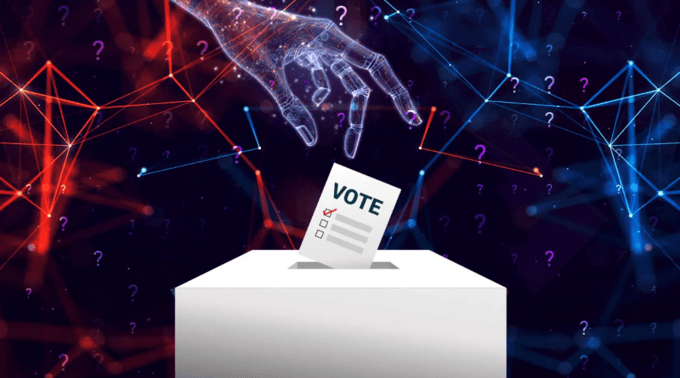
I once thought that my political opinions developed independently from my values and experiences along with my logical thought processes. One night I clicked on a single election video and ended up spending hours watching algorithm-recommended videos that grew increasingly emotionally intense. It made me wonder: When algorithms detect my emotional triggers better than I understand them myself do I maintain control over my genuine opinions? As social media platforms deliver personalized realities and search engines predict our beliefs, political autonomy demands immediate attention. Do we select our leaders independently or do algorithms make those choices for us?
The Invisible Hand: How Algorithms Shape What We See
Algorithms do not participate in voting but they effectively carry out campaign activities. Our preferred app utilizes a complex formula to deliver personalized content each time we access it. The problem? The content that keeps us engaged for extended periods proves more relevant than content designed to inform us effectively. YouTube, TikTok, Instagram, and Facebook platforms operate primarily by fostering user engagement. They discover which content causes us to stop and which videos we watch multiple times along with what we share online. The systems start displaying more political content that mirrors our past interactions instead of offering balanced points of view. The filter bubble represents the digital loop that confines us to our own beliefs. Our path is being subtly directed without our awareness toward a specific course. The algorithm becomes a shaping force on our worldview as time progresses. In short, algorithms don’t care about truth. They care about clicks. And in politics, that’s a dangerous trade-off.
Freedom of Choice or Illusion of Choice?
We believe our decisions on politics represent rational thought and comprehensive information processing. What if our decisions are actually predetermined outcomes from sophisticated manipulation? Data emerges from every user interaction including clicks and likes as well as watch time. The collected data is processed by a system which aims to both anticipate our preferences and actively shape them. We are gradually instructed about our preferences as opposed to simply receiving content we already like. Political content is now crafted to be more targeted while simultaneously increasing its emotional appeal and aligning itself with the elements that maintain our continuous scrolling behavior. This raises a difficult question: When information reaches us already processed through filters and biases before our eyes see it we must question whether we possess true free will. The options we choose from may seem like our own decisions but they are actually selections from limited choices intentionally designed to lead us toward predetermined outcomes. The Cambridge Analytica scandal revealed how personal information can be manipulated to control election results. The choice we believed was free turned out to be the outcome of hidden manipulation in numerous situations. Without vigilance we risk a repeat occurrence where more intelligent algorithms use advanced tactics.
Rewriting Reality: When Truth Is Tailored
The digital age transforms truth from something we find into something we receive. Truth generally reaches us in fragments because we receive information that has been both filtered and formatted to align with our pre-existing beliefs. The result? A tailored representation of reality that appears genuine despite its partial inaccuracies. Deepfake technology alongside manipulated headlines and strong emotional imagery makes it increasingly challenging to tell real information apart from fabrications. The real danger goes beyond fake news because selective exposure presents a more nuanced threat. Algorithms that repeat content matching our views cause us to believe everything visible represents the entire truth. That our truth is the truth. Our voting behavior as well as our capacity for empathy and our ability to debate and coexist with individuals who think differently become distorted by this influence. The system builds a virtual reflection of our beliefs without posing any challenges to them. Societies that fail to contest their foundational beliefs risk becoming completely detached from reality. In this world people need to ask not only “What is true?” but also “Who determines truth and why do we trust them?”
Breaking the Cycle: Awareness in the Age of Influence
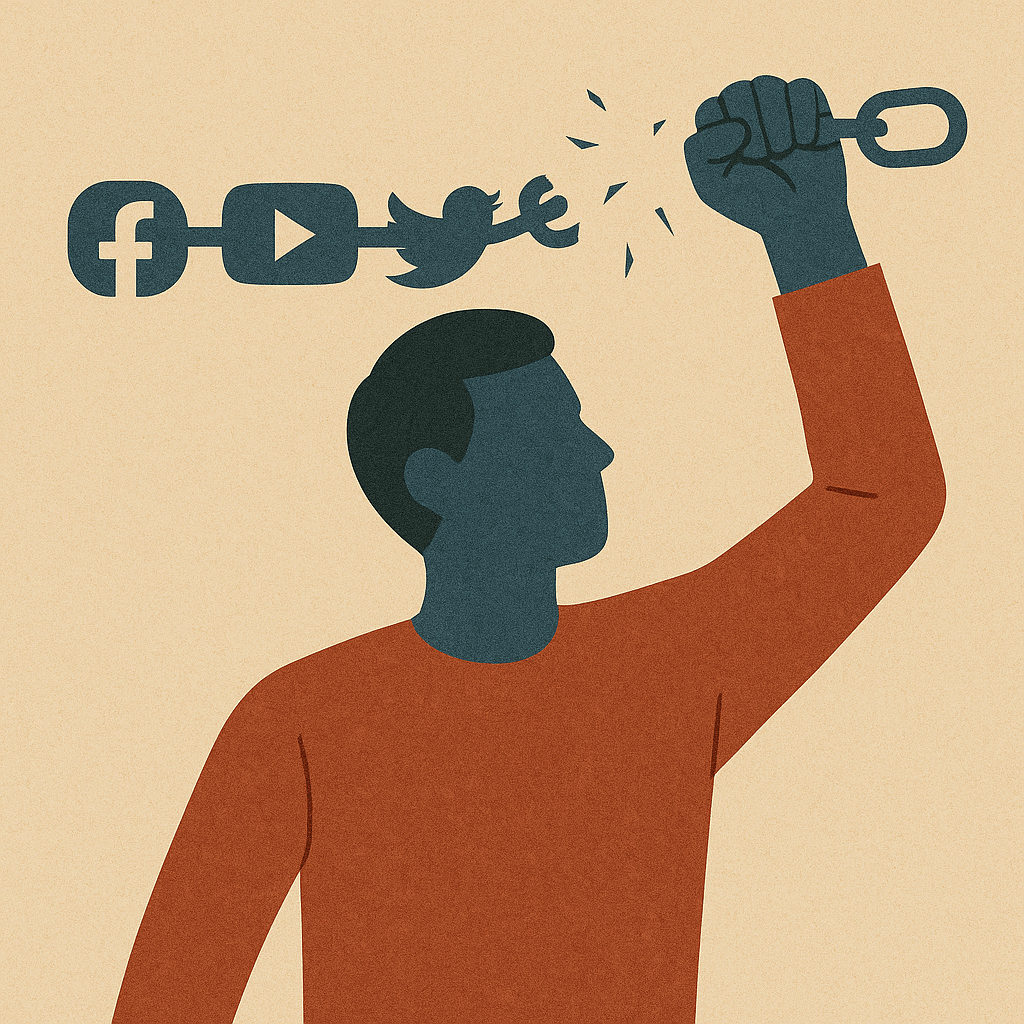
Awareness is our first line of defense. Algorithm-driven feeds create comfortable digital environments which necessitate deliberate actions to navigate beyond. The process involves actively looking for different perspectives and scrutinizing emotionally driven messages while being alert to manipulation tactics from both individuals and systems. Expertise in data science is not necessary to counteract digital influence. Small actions matter. Our ability to maintain control over our consumption can be enhanced by following diverse political sources while also taking breaks from digital devices and reading complete articles instead of just headlines. The fundamental distinction between gathering information and experiencing manipulation must always be kept in mind. Political engagement begins when people embrace curiosity over certainty and ask themselves about their knowledge gaps instead of holding onto comfortable beliefs. Today’s era of intelligent algorithms and hidden manipulation demands critical thinking to serve as an active method of resistance.



 Mind.Kaleidoscope
Leave a comment