
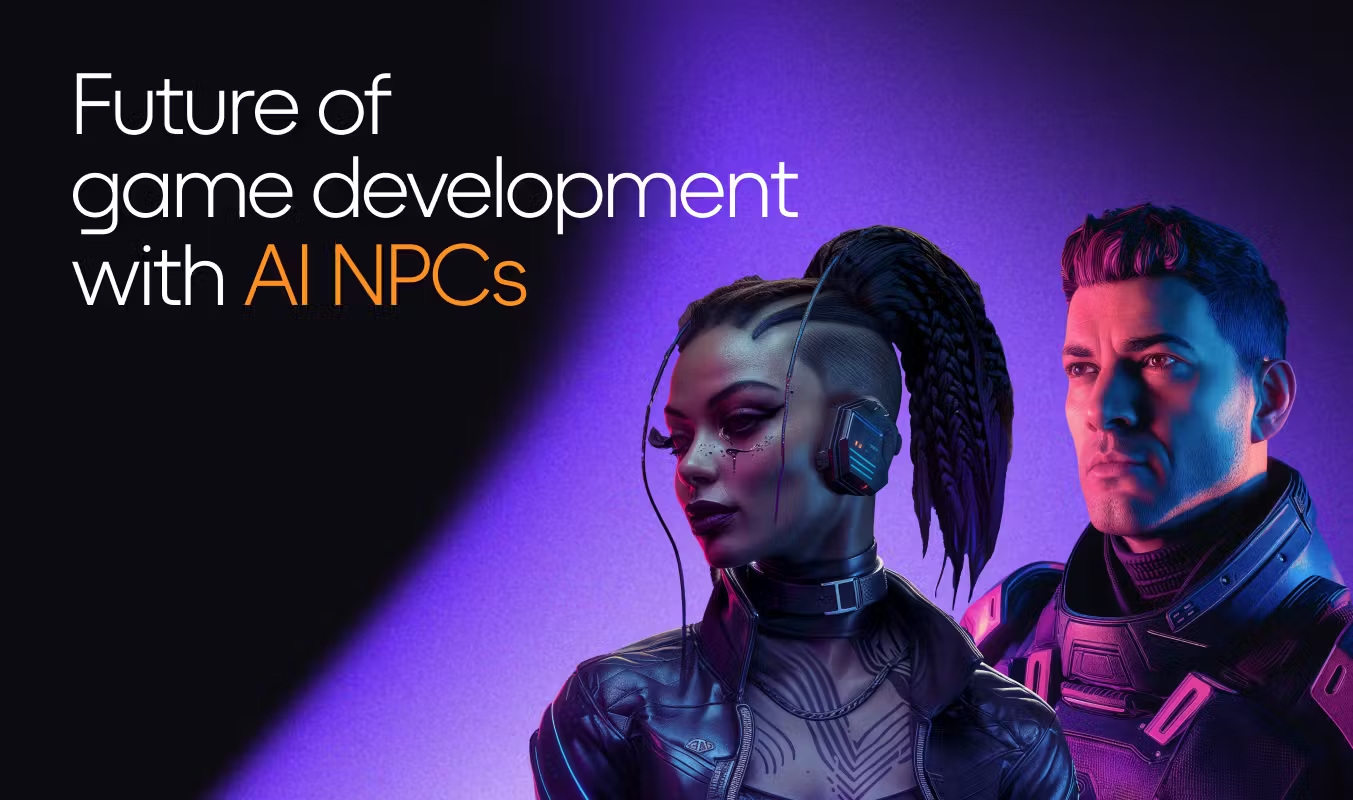
Non-Playable Characters (NPCs) started out as simple and repetitive background elements in early video games. NPCs remained stuck behind counters and continued to walk in endless loops while delivering the same scripted response whenever you interacted with them. The purpose of NPCs was strictly utilitarian because they existed to provide quests and equipment sales while populating the world with simulated life. The emergence of artificial intelligence technology is transforming the nature of NPCs dramatically. They’re no longer just background actors. NPCs now display reactive behavior while adapting to situations and occasionally showing signs of self-awareness. How does gameplay change when the characters inside the game behave authentically like real people?
The Evolution of NPC Behavior: From Scripted to Simulated
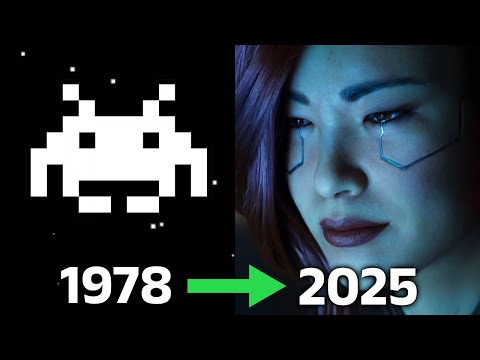
NPCs in traditional games operate through decision trees and finite state machines. The system’s design enables a predefined set of responses to match the player’s actions. You attack a villager? They run. You talk to a guard? They repeat a catchphrase. It’s rigid, predictable, and entirely artificial. Enter AI-driven NPCs. Developers have the ability to create dynamic context-responsive characters through recent advances in machine learning and natural language processing. This includes:
Remembering past interactions and altering behavior accordingly
Understanding player intent through natural language input
Learning from other players and adapting behaviors over time
Reacting to environmental stimuli with contextually relevant choices
Red Dead Redemption 2, Cyberpunk 2077, and The Elder Scrolls series represent early experimentation with these concepts through massive dialogue trees and scheduled behaviors to simulate living worlds. Current AI systems such as OpenAI’s GPT and Inworld AI’s NPC models advance these developments significantly.
Natural Conversation: When NPCs Talk Back Intelligently

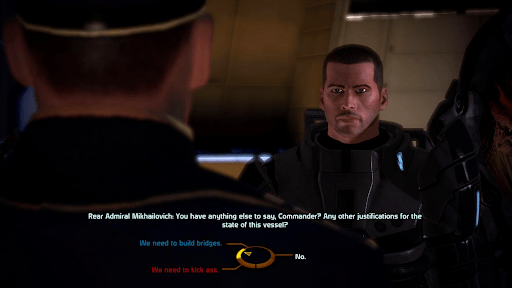
Conversational AI represents one of the most thrilling innovations in technology today. In classic dialogue trees players choose from only a few available options. The advent of large language models enables NPCs to engage in authentic conversations by delivering responsive and context-aware dialogue that surpasses traditional canned responses. This blacksmith NPC dynamically remembers previous interactions with you while generating spontaneous questions about your journey and issuing timely warnings regarding bandit threats near the river. Such interactions transform an NPC from a mere tool into a dynamic character. Of course, this introduces complexity. How do you moderate inappropriate input? What methods can developers use to maintain player experience continuity throughout extended game sessions? Developers continue to face challenges with these questions.
The Rise of Personalized NPCs
Procedural generation isn’t new to games. Our current application of procedural generation includes creating maps as well as quests and the loot systems. The technology has reached the stage where it is now creating personal traits. Certain gaming engines have the capability to create individualized NPCs who adapt specifically to individual players:
- Different backstories
- Evolving personalities based on interaction
- Preferences, moods, and even political opinions
This raises a compelling philosophical question: What criteria determine when an NPC with its own personality and memory becomes more than just a non-playable character in a game world?
Emotional Intelligence and Empathy in Game Design
AI capabilities go beyond intelligence to enable NPCs to respond to emotions. NPCs can adapt their reactions based on player emotions through sentiment analysis and behavioral modeling techniques. Speak aggressively? The NPC might become defensive. Show kindness? The NPC might develop a positive bond with you through ongoing interactions. The result of this feature creates deeper immersion while simultaneously providing opportunities for innovative storytelling methods. Game relationships could achieve greater authenticity while consequences become intensely personal to players. The betrayal stings deeply because the NPC evolved into a trusted friend through genuine shared experiences rather than scripted events.

Moral Dilemmas and Emergent Ethics
NPCs become more intricate while morality issues expand in complexity alongside them. The authenticity of an AI character’s emotions of betrayal becomes questionable when comparing real feelings against simulated ones. When your actions significantly impact digital characters what moral responsibilities should you hold as a player? The inclusion of AI technology has provided games with an unprecedented depth to their moral choice systems. Your choice-making has evolved beyond simple selections of good and evil options. You’re shaping the lives of believable entities. The incorporation of AI could transform our understanding of player agency as well as narrative design while redefining the fundamental purpose of games.
Challenges and the Road Ahead
While the potential is thrilling, real implementation is complex. Developers face:
- Hardware and performance limitations
- Balancing freedom with narrative coherence
- Moderating and filtering AI outputs
- Creating persistent memory that spans long play sessions
But progress is happening fast. The integration of more powerful AI systems with gaming engines brings the dream of fully sentient-feeling NPCs closer each passing year.
Conclusion: The New Frontier of Game Worlds
Artificial intelligence technology transforms the fundamental nature of characters within video games. The distinction between players and non-players as well as scripted events and simulated interactions is becoming less clear. The upcoming era will see NPCs develop abilities to remember past interactions while evolving and surprising players. The act of NPCs beginning to think transforms games from passive stories into immersive worlds that players can live within. And that changes everything.

 Mind.Kaleidoscope
Leave a comment