

The forefront of global technological advancements is now occupied by artificial intelligence (AI) where China stands among the leading powers. Although China is commonly depicted as having fewer resources than top AI leaders such as the United States it has built a distinctive approach which has not only bridged the existing gap but also provided a competitive advantage in specific sectors. What insights can be derived from this swift ascent and what debates or theories explain this fast-paced development?
The Foundations of Success
The AI revolution in China developed through strategic planning and government backing along with creative use of resources. Through its extensive population base and burgeoning digital networks China has developed a data-rich environment for collection and utilization purposes. Mobile apps together with e-commerce transactions and urban monitoring systems build an unmatched data pool which powers machine learning algorithms like never before. The 2017 “New Generation Artificial Intelligence Development Plan” from the government stands as a fundamental success driver.

Turning Challenges into Opportunities
China’s AI sector stands out because it successfully manages to conquer supposed constraints. Chinese developers use open-source technologies to optimize niche solutions which result in systems designed to efficiently address particular problems. The healthcare sector together with e-commerce and urban planning have each gained advantages from AI innovations aimed at achieving practical results rather than ideal solutions. Due to significant government funding for AI research small companies now have access to necessary resources and infrastructure. The collaborative ecosystem drives rapid advancement while fostering new ideas throughout various sectors. AI facial recognition technology has transformed security measures and public safety protocols in China but has encountered major privacy challenges.

The Shadow of Surveillance and Control
AI implementation in China faces significant opposition from critics. Some people believe that the technologies driving innovation are simultaneously being used by states as instruments of surveillance and control. Monitoring systems powered by AI track people’s movements and behaviors as well as their social interactions while claiming to uphold public order. The disputed Social Credit System demonstrates how AI technology can merge advancements with authoritarian practices. Advocates believe these systems increase accountability whereas detractors express concerns about them curtailing individual freedoms and demanding uniform behavior.

The Role of Conspiracy Theories
The progress China has made in AI development has sparked numerous conspiracy theories from people both inside China and internationally. A number of analysts believe China is advancing AI capabilities to establish worldwide control through advanced surveillance systems and exporting these technologies to totalitarian governments. The Belt and Road Initiative is frequently mentioned in theories claiming that China uses it to distribute AI technologies which help partner nations strengthen state control. According to one conspiracy theory China’s AI research receives secret support through hidden access to data from foreign sources. The charges of data theft and intellectual property infringement suggest China’s AI achievements result from stolen knowledge instead of genuine innovation. These allegations are mostly unsubstantiated yet point to the geopolitical discord present in the worldwide competition for AI advancement.
The Nvidia Stock Dip and ChatGPT’s Costs: More Than Meets the Eye?
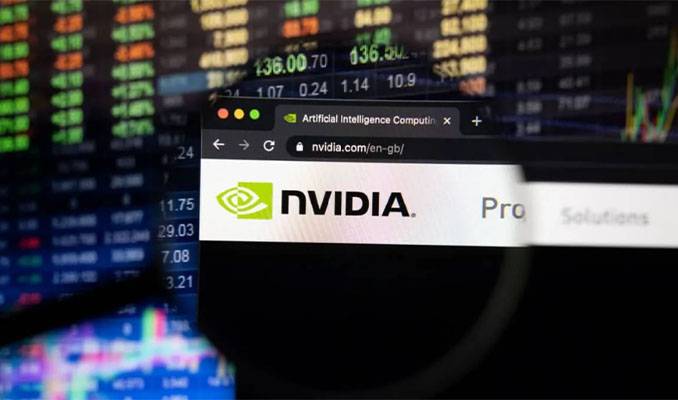
Experts question whether the AI sector can maintain its rapid growth over time. Nvidia’s share prices dropped recently which led to speculation about the potential slowdown of the AI boom. Critics point out that expensive and inefficient AI models such as ChatGPT indicate a bubble created by tech leaders and CEOs. Experts are developing the view that major AI companies might inflate AI complexity and cost claims to maintain market control against competition. Significant resources are needed for advanced AI model training but recent optimization technique developments demonstrate powerful AI systems can now be created for much less than previously stated costs. The term “AI revolution” might represent a meticulously crafted story created to boost market valuations. The discussion becomes more intense when open-source options enter the perspective. If smaller players can achieve comparable results with limited resources, it raises the question: The ability of smaller players to obtain similar results with restricted resources suggests we might be deceived about the real expenses and entry barriers for AI creation.
Implications for the Future
The ascent of China in AI development demonstrates how adaptability and strategic foresight drive success. The text shows that efficiency alongside collaboration and specialized knowledge becomes crucial when available resources remain scarce. The fast-paced introduction of AI requires careful examination of its ethical impacts. Advanced technologies demand careful management of progress and privacy concerns. The increasing doubts about AI’s financial viability and market stories should lead to increased transparency measures. The relationship between corporate strategy and innovation requires examination to maintain fairness and openness in the market.
A Broader Reflection
Mind Kaleidoscope finds a profound connection with the narrative of this story. Technology stands as only one part of the equation while the real essence lies in humanity’s relentless pursuit of innovation and adaptation to overcome obstacles. The way China transforms restrictions into possibilities through creative determination resembles a kaleidoscope that creates infinite patterns from limited pieces. Conspiracy theories introduce both fascination and warning elements. These theories prompt us to challenge accepted stories by researching more thoroughly and staying alert about AI’s effects on our world. What methods are available to us to maintain equilibrium between technological advances and the threats they present to personal freedom and individuality? The never-still patterns in our kaleidoscopes compel us to examine these questions through a lens of curiosity and careful consideration.

 Mind.Kaleidoscope
Leave a comment